What Did Bad Bunny’s Halftime Show Mean?
Every Cultural Reference Broken Down
Most pictures are links to learn more. 🙂 Please dig deeper than just this page.
The Opening: Fields Of Puerto Rico
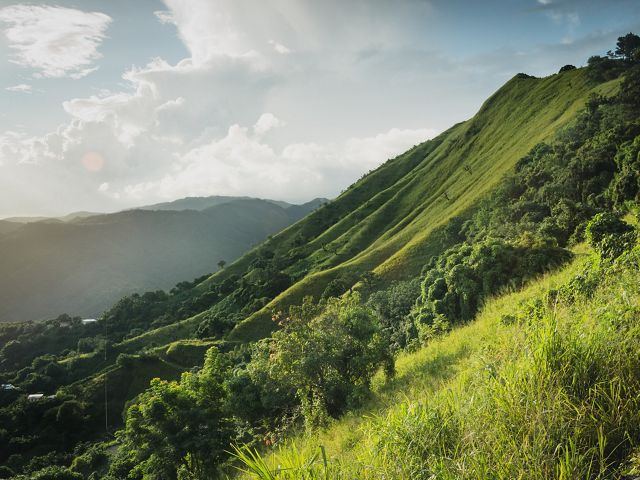
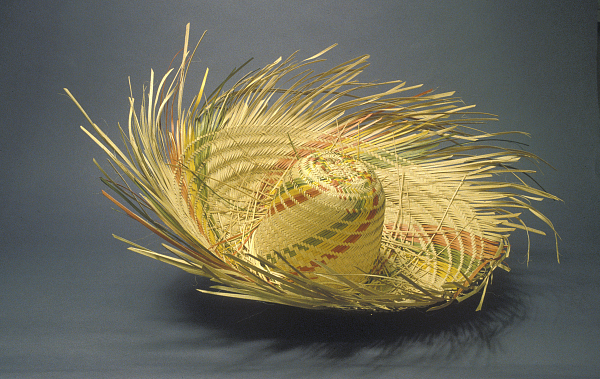
The show opened with a short clip showing the lush green fields of Puerto Rico before transitioning to the grand stage at Levi’s Stadium. The field was filled with people in grass and bush costumes alongside workers wearing traditional pava straw hats, a direct homage to the jíbaros, the 19th-century agricultural workers who worked Puerto Rico’s sugarcane fields.
Sugar Cane
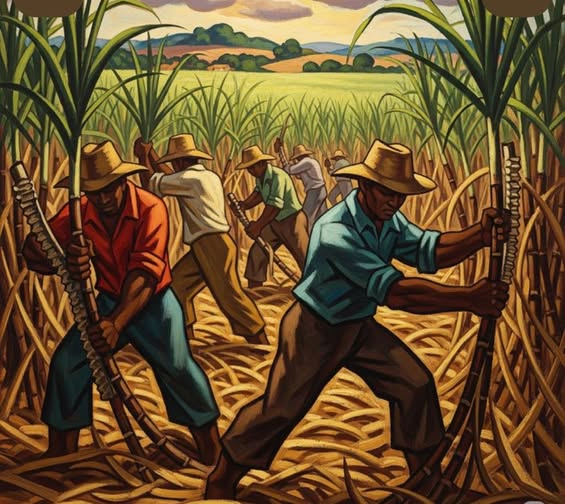
The halftime show began with a wide shot of people working in sugar-cane fields before the camera panned down to Bad Bunny singing “Tití Me Preguntó” as he walked past people cutting cane with machetes. Sugar cane was the economic engine for many Caribbean countries in the 19th and early-20th centuries, including Puerto Rico. Sugar plantations have also long been symbols of the legacy of colonialism and slavery in the region. Enslaved Africans worked the sugar plantations until 1873, when Puerto Rico under Spanish colonial rule ended slavery. After the U.S. took over in 1898, U.S. sugar companies gobbled up Puerto Rican lands while reaping enormous profits off Puerto Rican labor and land. The laborers in the halftime show wore all-white clothes and straw “pava” hats, referencing the figure of the iconic Puerto Rican countryman, or jíbaro. Beginning the halftime show with sugar-cane fields and the agricultural laborers who harvested them both references a common image associated with rural Puerto Rican life, and nods to the history of colonialism that continues to impact life in the Caribbean.
Bad Bunny emerged holding a football, which would reappear at the show’s conclusion with powerful symbolism. He wore a custom white leather football jersey designed by Zara (https://www.zara.com/us/), the Spanish fashion brand, and styled by his frequent collaborators Storm Pablo and Marvin Douglas Linares. The back of the jersey featured “Ocasio” (his and his mother’s last name rather than his father’s surname Martínez), a deliberate choice honoring his maternal lineage.
Piragua Stand
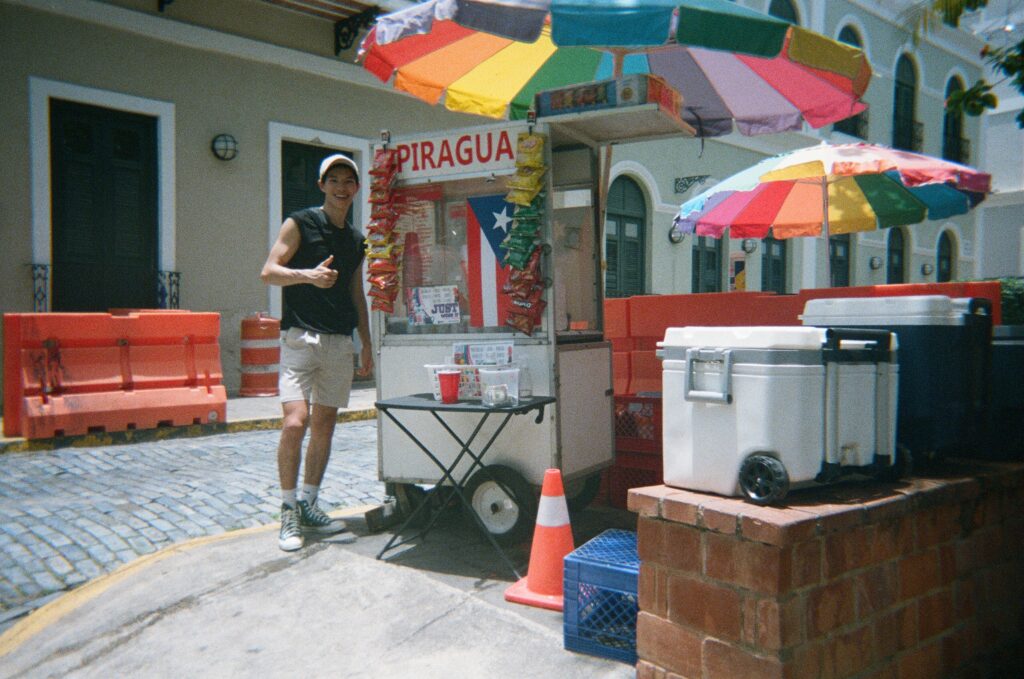
As Bad Bunny walked through the sugar-cane fields during “Tití Me Preguntó,” he passed various scenes: friends at a coco frío stand, a group of older men playing dominoes, young women getting their nails done, and then a piragua (Puerto Rican shaved ice) stand where Benito is served the treat before he keeps walking. The piragua stand is an icon of Puerto Rican culture that signals community and nostalgia. Piragua stands can be found all over Puerto Rico and the diaspora. In piraguas, the shaved ice is usually topped with tropical flavored syrups that are displayed in glass bottles on the piragua cart. During Bad Bunny’s halftime performance, each glass bottle of piragua syrup on the cart featured a different flag, including Colombia, Spain, Puerto Rico, and Mexico. Besides the fact that the lyrics to “Tití Me Preguntó” reference women from each of those countries, the flags were yet another representation of Latino unity during the show. https://www.youtube.com/shorts/WWex_sIot30
The Instruments: Authentic Puerto Rican Sounds
Traditional Puerto Rican instruments filled the stage, representing the bomba and plena music traditions that Bad Bunny incorporates into his work:
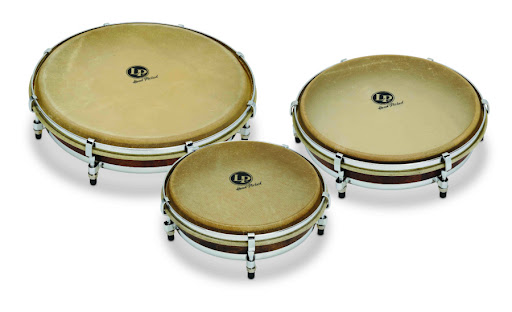
Pandero (also called Pandereta): The tambourine-like hand drums used specifically in plena music. Unlike regular tambourines, panderos don’t have metal jingles. They come in sets of three different sizes—primo (small), segundo (medium), and tercero (large) — each producing distinctive sounds.
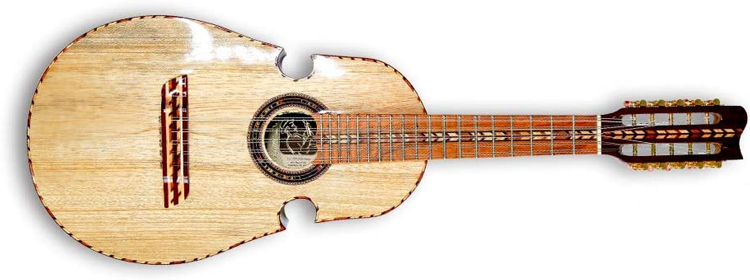
Cuatro: Puerto Rico’s national instrument, a 10-string guitar that produces the island’s signature sound.
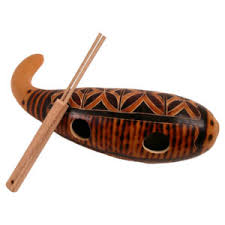
Güiro: A percussion instrument made from a hollowed-out gourd with grooves cut into the surface. When rubbed with a stick, it creates the distinctive raspy, rhythmic sound central to Puerto Rican music. The Taíno Indigenous people may have invented this instrument.
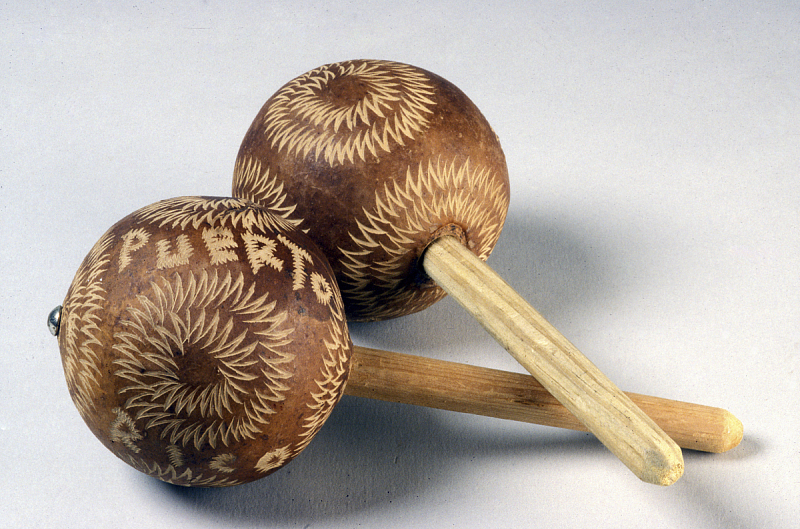
Maracas: Rattles traditionally made from the fruit of the higuera tree, filled with seeds or pebbles.
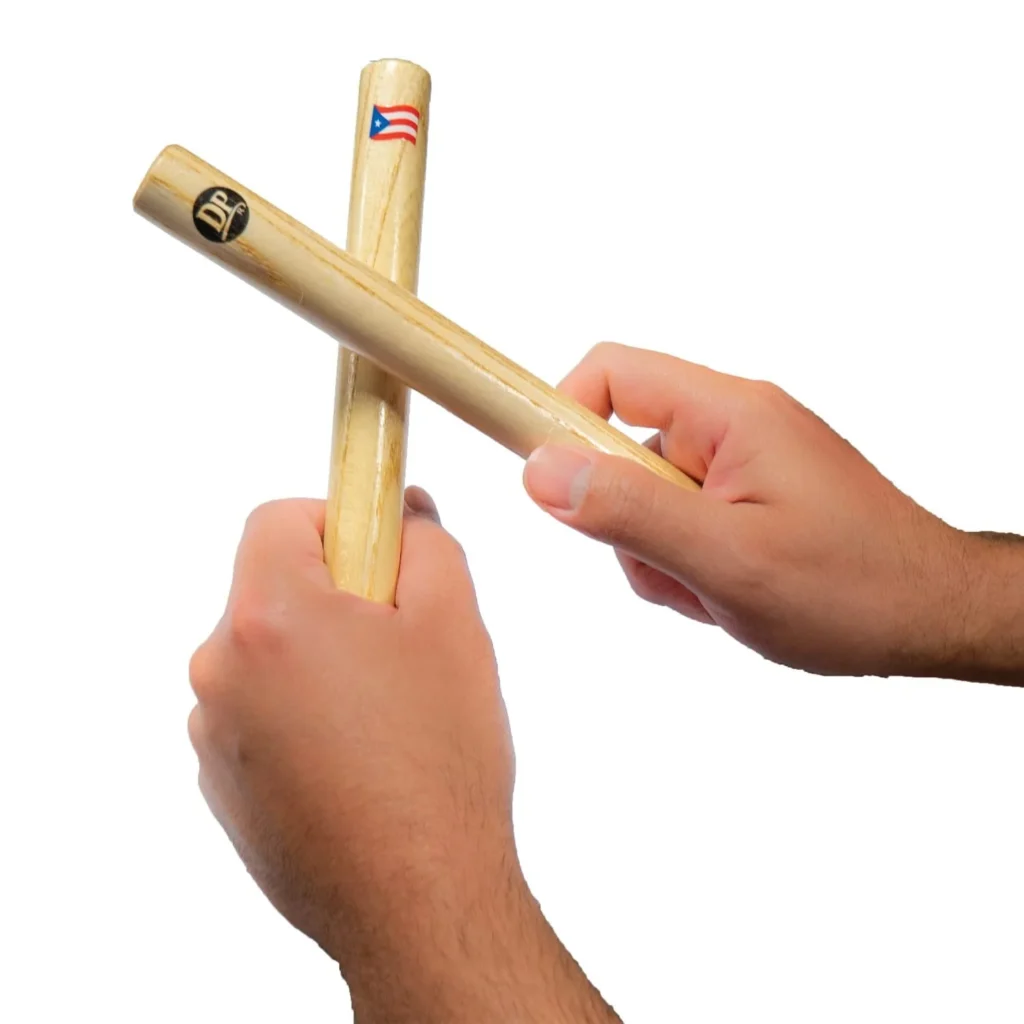
Palitos: Two cylindrical hardwood sticks used for percussion.
Cencerro: A cowbell that adds to the traditional sound.
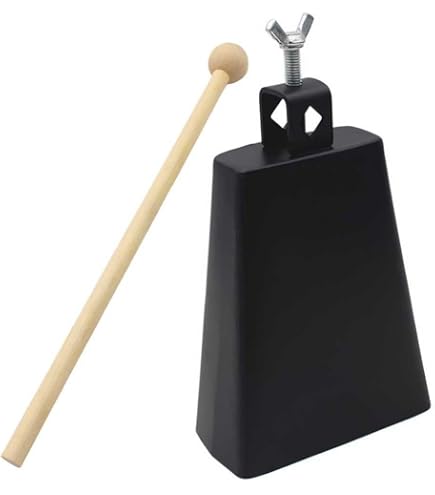
These represented centuries of Puerto Rican musical tradition blending Taíno, African, and Spanish influences.
Sapo Concho
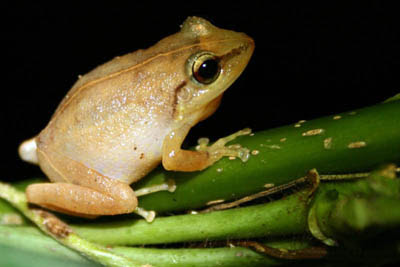
The iconic coquí, a small tree frog native to Puerto Rico and a beloved symbol of the island, made an appearance during the performance. The coquí has been a signature element of Bad Bunny’s recent tour as well as the Debi Tirar Mas Fotos short film (in which the frog was named Concho), and represents Puerto Rican identity. Its distinctive call is so associated with the island that Puerto Ricans living abroad say hearing a coquí instantly transports them home.
Concho is a sapo concho, a crested toad endemic to Puerto Rico that is now critically endangered due to invasive species and the rapid development that is destroying its habitat. Just days before DeBÍ TiRAR MáS FOToS came out, Bad Bunny released a short film of the same name. That film featured Puerto Rican actor Jacobo Morales playing an elderly Bad Bunny who reminisces with his friend Concho as they looked through photos. At one point, Morales’ character heads to the center of town to purchase quesitos (a Puerto Rican puff-pastry roll filled with sweet cream cheese). He wanders down the street and encounters an American cashier trying to sell him cheese-less vegan quesitos. The short film, and the album as a whole, is a meditation on the dangers of gentrification that is rapidly transforming Puerto Rico. The endangered sapo concho is the perfect embodiment of the potential destruction of Puerto Rican life via U.S. colonialism and gentrification.
La Casita: The Heart Of The Vecindad
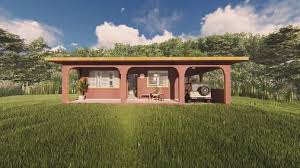
Bad Bunny performed several songs, including “Yo Perreo Sola,” “Safaera,” “Party,” and “Voy a Llevarte Pa’ PR” from the rooftop of the famed “Casita” (Spanish for “little house”). Bad Bunny fans were first introduced to the casita in the short film Debí Tirar Más Fotos. In the film, actor Jacobo Morales lives in a traditional cement house in the countryside of Puerto Rico. The house is very typical of the Puerto Rican midcentury homes that were built to better withstand hurricanes, in comparison with the much-older-style wooden homes. This home was pink, in the Puerto Rican tradition of painting homes a bright color, with shuttered windows and a carved wood door. These are the kinds of homes that are becoming less common with new development in Puerto Rico. Bad Bunny turned the casita into one of his stages during his 2025 “No Me Quiero Ir de Aquí” residency in San Juan. At the residency concerts, Bad Bunny performed on the porch and on the rooftop, bringing a different group of celebrity guests to the casita to party with him.
At the Super Bowl, the casita became the centerpiece of a Puerto Rican vecindad (neighborhood) brought to life with Pedro Pascal, Cardi B, Jessica Alba, Karol G, Alix Earle and Young Miko dancing inside and around it – recreating the atmosphere of a “party de marquesina,” the quintessential Puerto Rican house party.
The Block Party Atmosphere: Attention To Detail
The stage transformed Levi’s Stadium into a living, breathing Puerto Rican neighborhood with meticulous attention to cultural details:
Piragua stand: Selling Puerto Rico’s beloved shaved ice treats, a staple of street vendors across the island.
Nail salon: Representing the service businesses that anchor neighborhood life.
Sugarcane: Raw sugarcane stalks on display, honoring the agricultural workers and the crop that shaped Puerto Rico’s economy and history.
Boxing: People boxing on stage, nodding to Puerto Rico’s rich boxing tradition.
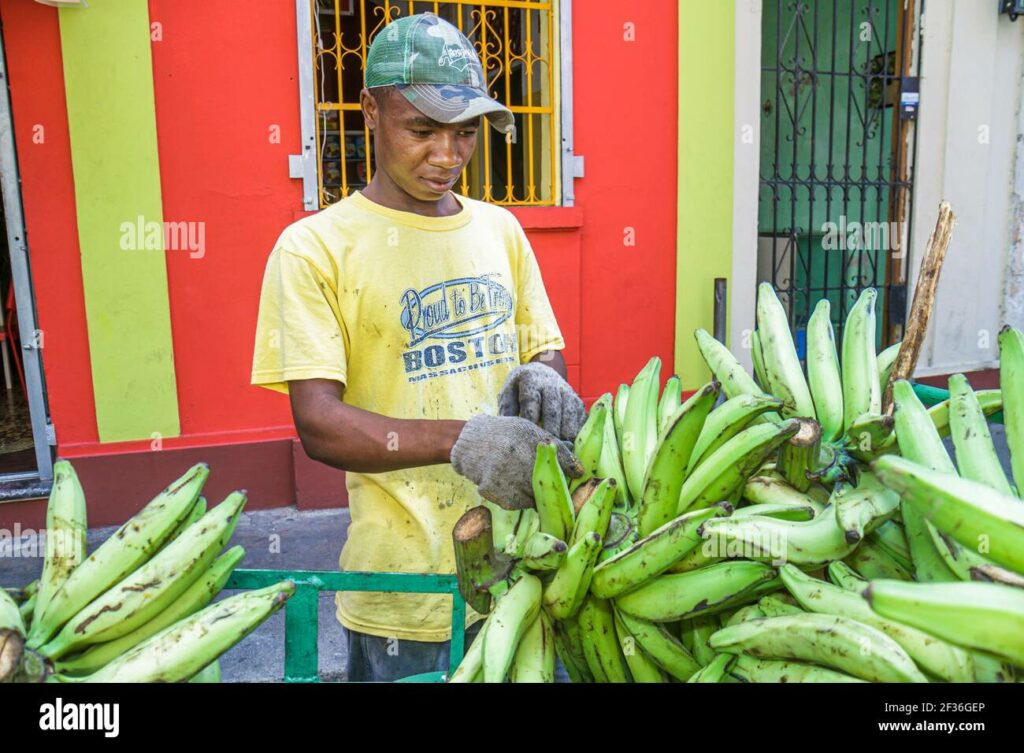
Platanos: People selling plátanos (plantains), a dietary staple.
Barber shop: A classic neighborhood gathering spot.
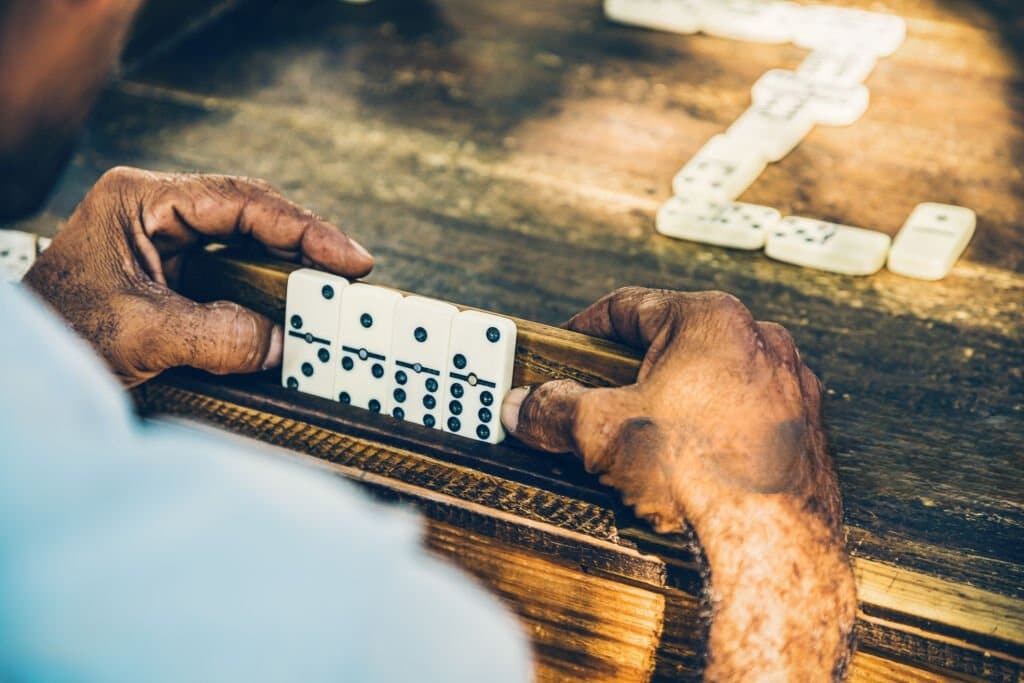
Domino tables: People playing dominoes, the social game that brings Puerto Rican communities together.
A kid sleeping: A child asleep in a chair while the party raged around him, a universally relatable image from any Latin family gathering that goes late into the night.
Villa’s Tacos: A Real Business
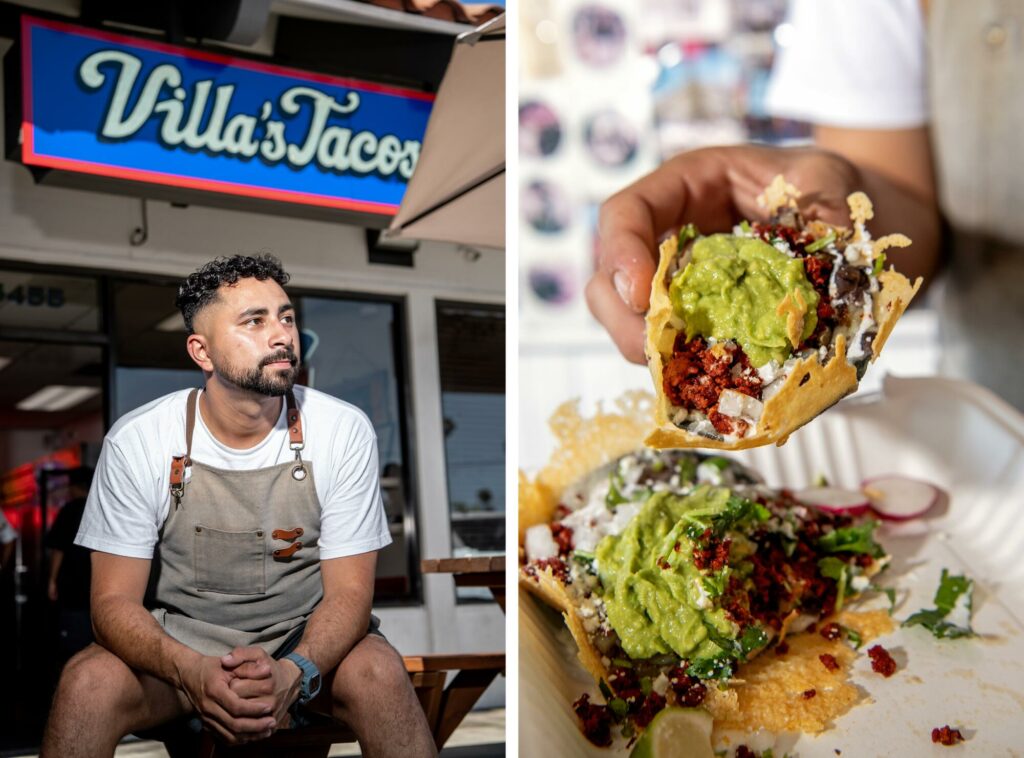
Sharp-eyed viewers spotted “Villa’s Tacos” among the set pieces; this is a real Mexican-American business, not just a prop, representing the actual small businesses that make up Puerto Rican neighborhoods.
The Real Wedding
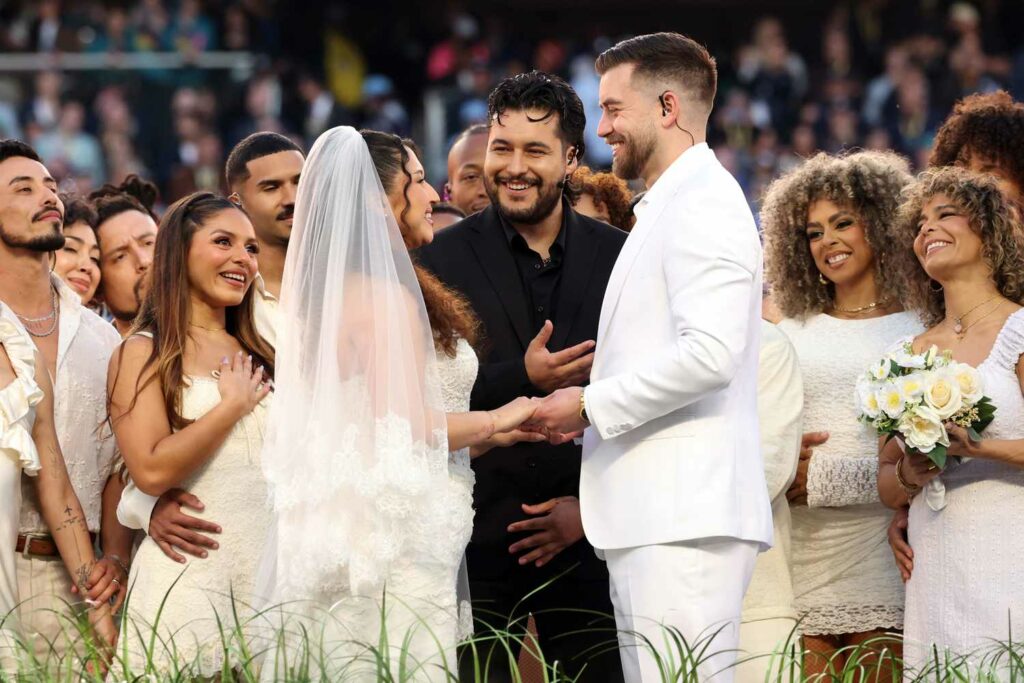
The couple on stage right before Gaga’s performance actually got married during the performance. The couple had originally invited Bad Bunny to their wedding, and he invited them to get married during the halftime show instead. Variety confirmed through Bad Bunny’s representatives that he served as their witness and signed their marriage license.
The stage was packed with wedding guests, including children, all celebrating in real time as the ceremony took place. The newlyweds later cut their wedding cake during “BAILE INOLVIDABLE.”
The Grammy Moment: A Powerful Symbol
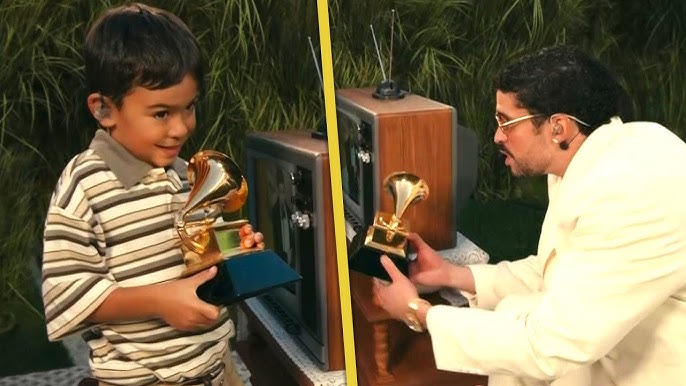
A little boy sat watching Bad Bunny’s Grammy Album of the Year acceptance speech on TV, a recreation of the moment from just a week earlier when Bad Bunny made history. Bad Bunny then handed the child his actual Grammy trophy to hold.
The boy represented a young version of the artist. The segment symbolized Bad Bunny passing a Grammy to his younger self, a move confirmed by the child’s talent agency. The scene was designed to show a young, dreaming version of himself (“young Benito”) being validated.
“Monaco” And The Self-Belief Speech
Dozens of violin players emerged from the sugarcane fields to perform “Monaco,” creating a dramatic, cinematic moment. As the violins swelled, Bad Bunny delivered a powerful message in Spanish:
“Mi nombre es Benito Antonio Martínez Ocasio, y si hoy estoy aquí en el Super Bowl 60, es porque nunca, nunca dejé de creer en mí. Tú también deberías de creer en ti. Vales más de lo que piensas. Confía en mí.”
Translation: “My name is Benito Antonio Martínez Ocasio, and if I’m here today at Super Bowl 60, it’s because I never, ever stopped believing in myself. You should also believe in yourself. You’re worth more than you think. Trust me.”
It was a direct address to young people, immigrants, and anyone who’s been told they don’t belong, delivered on the biggest stage in American entertainment, in Spanish, by someone who worked at a grocery store just 10 years ago.
El Morro
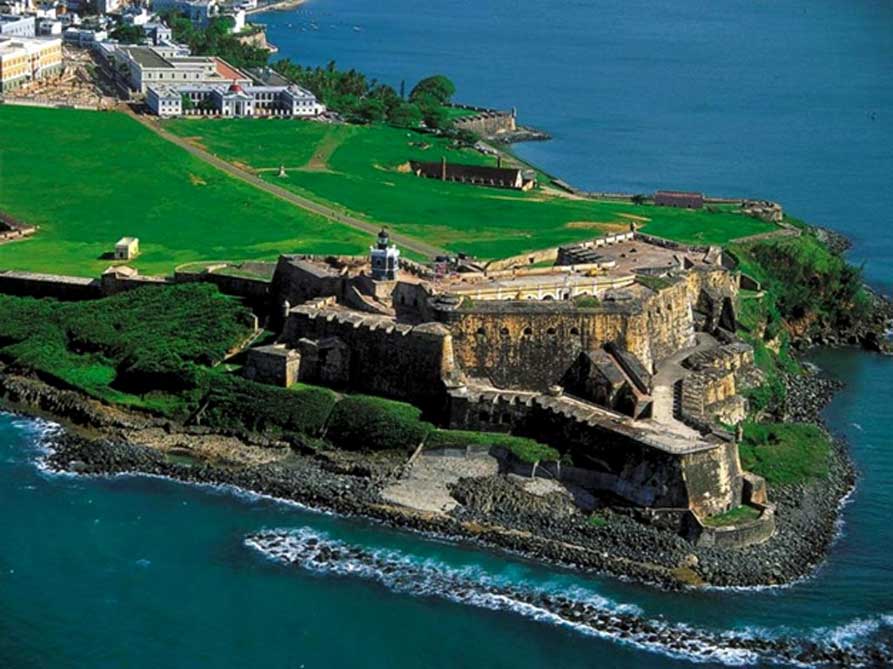
The portion of the halftime show that featured a wedding, plus Lady Gaga and Bad Bunny singing “Baile Inolvidable,” was a partial replica of Castillo San Felipe del Morro, more commonly known as El Morro. This 16th-century Spanish-built stone fort borders part of the coast of the historic areas of Puerto Rico’s capital city, San Juan. El Morro is now a national symbol of Puerto Rico so much so that it often appears on license plates, in addition to being a U.S. National Park and a UNESCO World Heritage Site. One of the most iconic elements of El Morro are the small stone turrets, or garitas, that were used as shelter for soldiers who were on the lookout for enemy ships. A small garita was featured on the back right corner of the El Morro-inspired set.
Toñita: Brooklyn’s Puerto Rican Icon
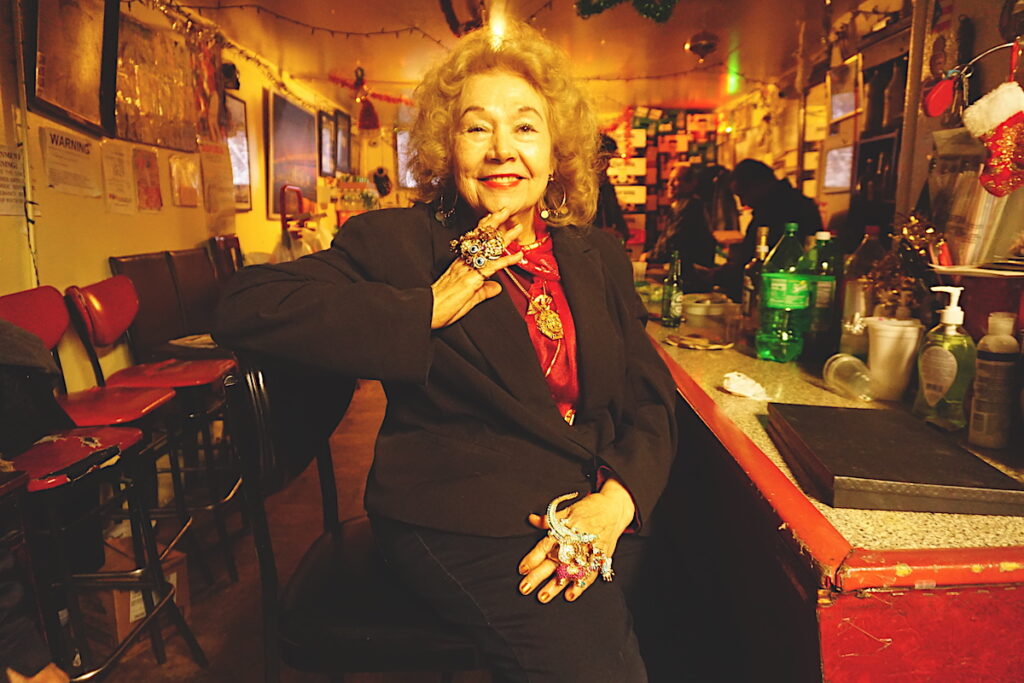
During Bad Bunny’s performance of Nuevayol, he took a shot given to him by Maria Antonia “Toñita” Cay, or Toñita, a pillar of the Puerto Rican community in New York City and a link between the island and its diaspora. In the lyrics for “Nuevayol,” Bad Bunny shouts her out, saying, “Un shot de cañita en casa de Toñita/PR se siente cerquita” (A shot of rum in Toñita’s house/Puerto Rico feels close). Toñita has run the Caribbean Social Club in the Brooklyn neighborhood of Williamsburg for more than 50 years. She has famously refused to sell her property, despite mass gentrification in the area. Given the issues Bad Bunny focuses on in DeBÍ TiRAR MáS FOToS, it makes sense that he shouts out Toñita as an example of how the Puerto Rican community looks out for one another.
The shop was named “Conejo” (rabbit), a reference to Bad Bunny’s nickname “El Conejo Malo” (The Bad Rabbit) and his foundation “Fundación el Buen Conejo” (The Good Bunny Foundation).
The White Plastic Chairs: Album Cover Come To Life
White plastic chairs appeared throughout the performance, most notably when Ricky Martin sat on one during his segment. These chairs are a direct reference to the cover art of Bad Bunny’s Grammy-winning album Debí Tirar Más Fotos.
The white plastic chairs are ubiquitous in Puerto Rico, found at every family gathering, block party, and community event. They’re humble, functional and deeply tied to the social fabric of the island. By prominently featuring them on the Super Bowl stage, Bad Bunny brought the visual language of his album to life and reminded viewers that the most meaningful moments often happen in the simplest settings.
The Legacy Of Ricky Martin
Ricky Martin, the “Livin’ La Vida Loca” hitmaker’s presence on the Super Bowl stage was momentous considering how he broke down so many doors for Latin artists to get to where they are today. When he first started a couple of decades ago, Martin was told he had to sing in English to be accepted by mainstream audiences.
After Bad Bunny’s historic Grammy win, Martin had released an open letter, saying “You won without changing the color of your voice. You won without erasing your roots. You won by staying true to Puerto Rico.” It was extra special to have Martin up there in his first ever Super Bowl Halftime performance, singing fully in Spanish.
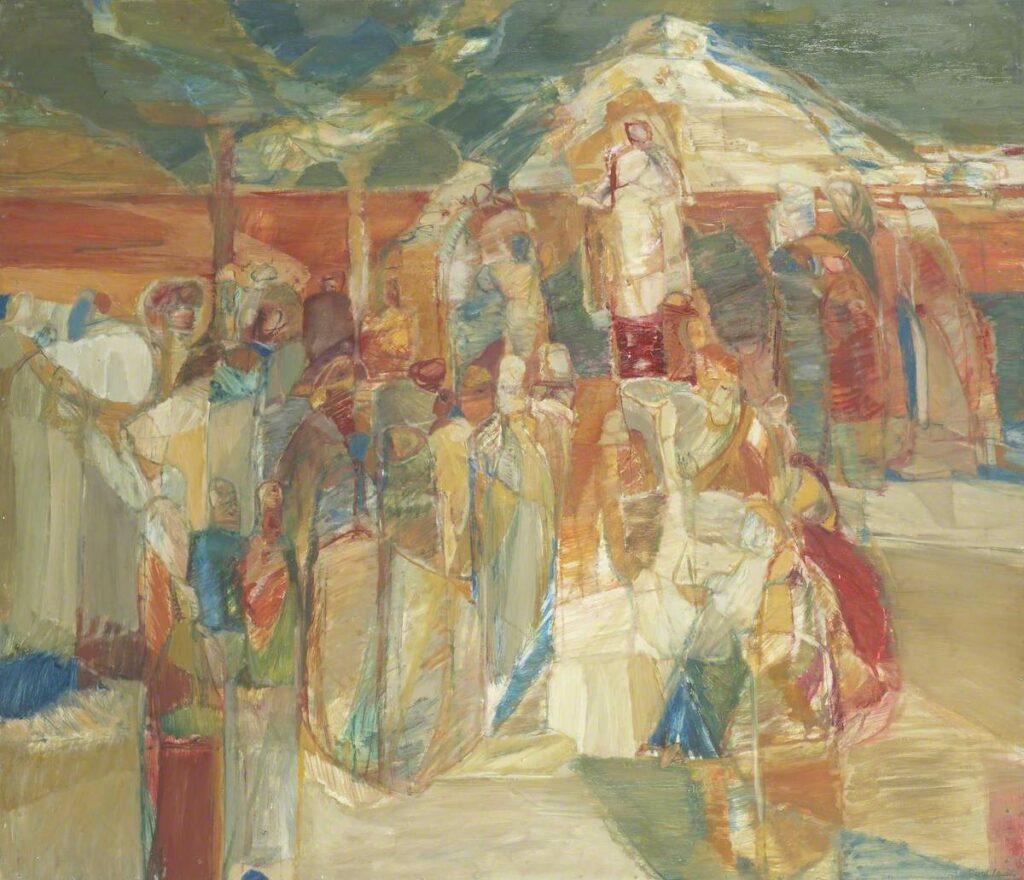
Sermon On The Mount: A Visual Parallel
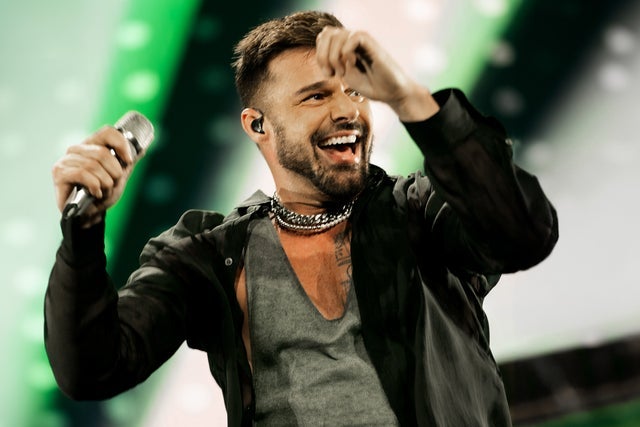
At one point, Bad Bunny stood elevated on the stage in a pose that paralleled Beryl Lewis’ 1965 painting “Sermon on the Mount”—a powerful image of a figure addressing and uplifting a crowd below.
The Power Lines: “El Apagón”
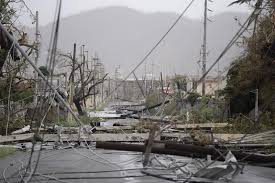
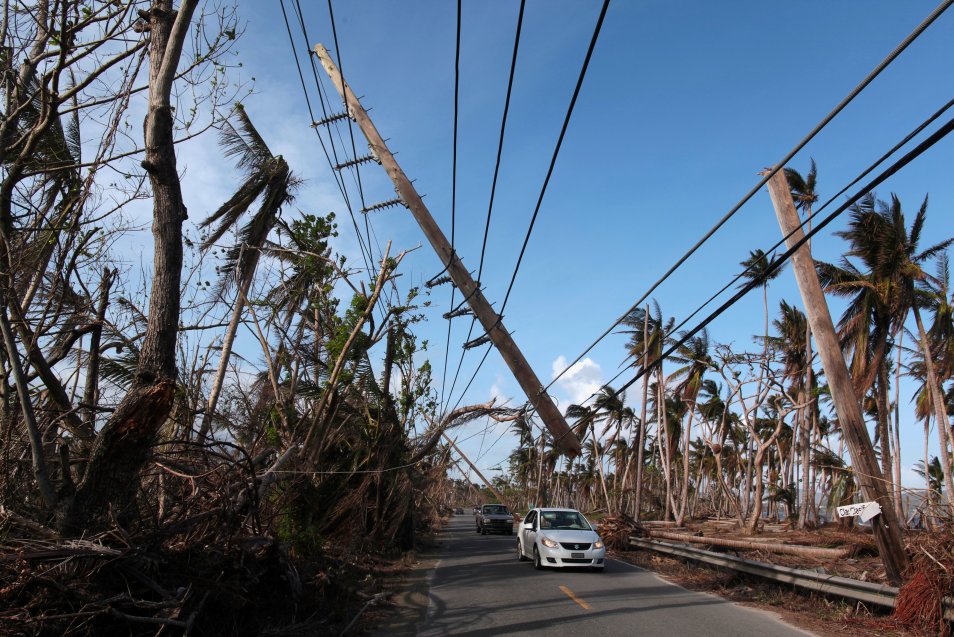
Power line poles stood prominently on stage. During “El Apagón” (The Blackout), Bad Bunny climbed up on them while performing, a direct reference to Puerto Rico’s ongoing electrical power crisis. Jíbaros in pavas climbed the poles, which then exploded, symbolizing the island’s frequent blackouts and failing power grid.
“El Apagón” itself is a protest song about the island’s infrastructure failures following Hurricane Maria, government corruption, and the gentrification threatening to displace Puerto Ricans from their own land. The longest blackout in American history was the nearly yearlong blackout Puerto Rico suffered after Hurricane María. The situation was so dire that many citizens taught themselves basic electrical skills and began risking their lives climbing electrical poles in order to begin reconnecting loose or damaged power lines and restoring power, sometimes to entire towns.
Azul Clarito (Light Blue)
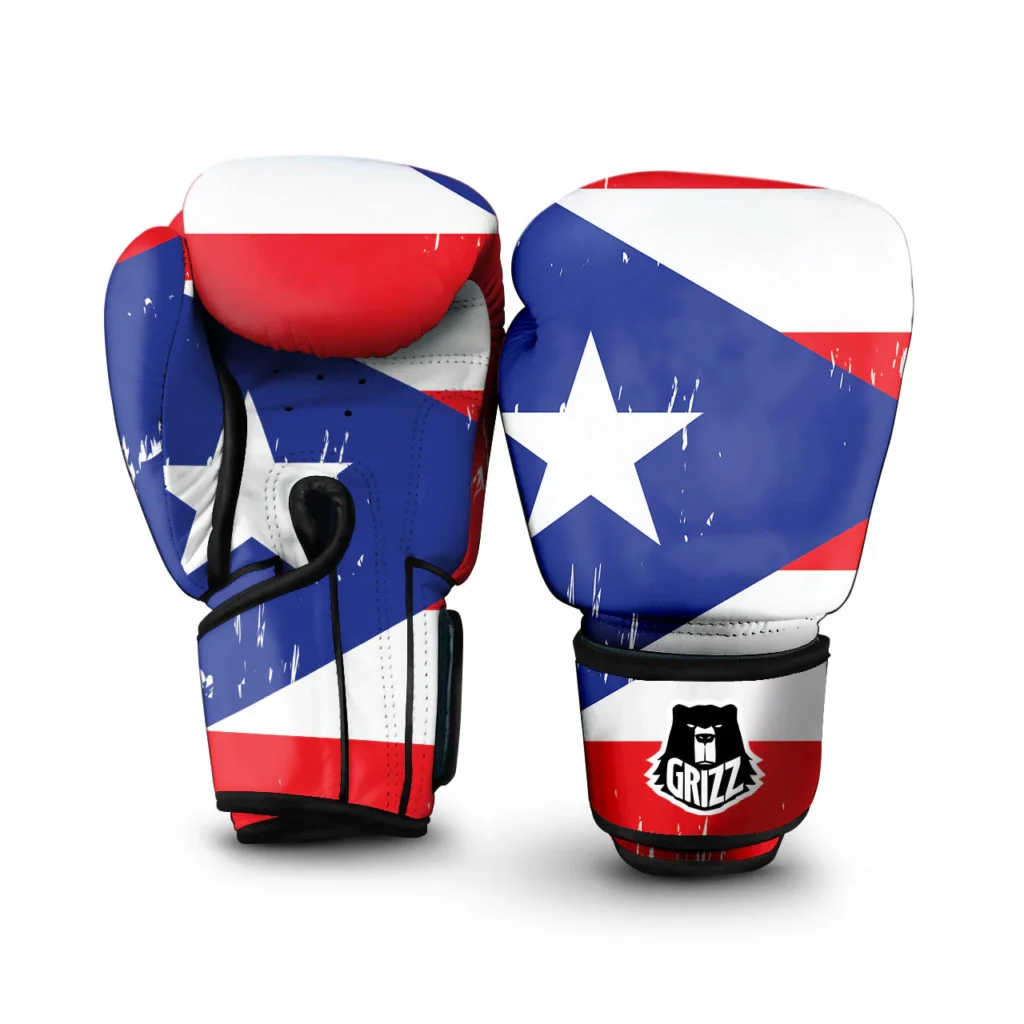
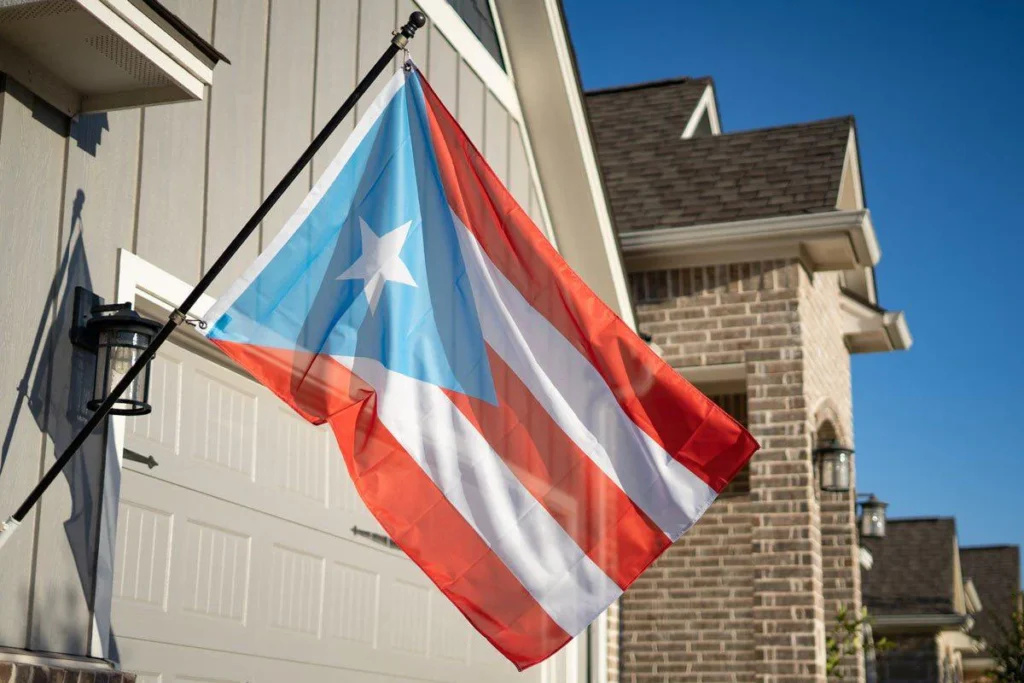
There were various touches of light blue during the halftime show, a color associated with Puerto Rican independence. One notable pop of light blue was Lady Gaga’s dress, which was adorned with the red flor de maga, the national flower of Puerto Rico. As the song “El Apagón” started, Bad Bunny emerged carrying a large Puerto Rican flag. Rather than the dark blue of the officially recognized Puerto Rican flag, Bad Bunny’s flag had a light-blue triangle, referencing the island’s original flag prior to U.S. takeover The U.S. later changed the shade of blue on the Puerto Rican flag to match that of the U.S. flag. As a territory of the United States, Puerto Rico has no sovereignty nor voting representation in the U.S. government. In this context, the azul clarito has become associated with movements advocating for Puerto Rican independence. On his song “La Mudanza,” Bad Bunny raps, “Aquí mataron gente por sacar la bandera/Por eso es que ahora yo la llevo dondequiera” (They killed people here for having the flag/That’s why now I take it with me everywhere). This references the Ley de la Mordaza, or Gag Law, which banned Puerto Ricans from having a Puerto Rican flag, let alone criticize colonialism, from 1948 to 1957. So, Bad Bunny clutching his flag with azul clarito on the halftime show set was a powerful anti-colonial statement.
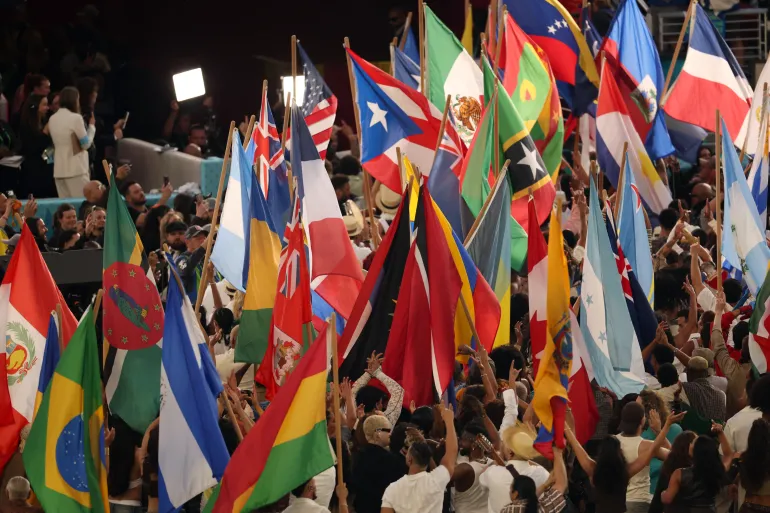
Flags of the Americas
Performers wave the flags of sovereign countries in the Americas at the conclusion of Puerto Rican singer Bad Bunny performance. Bad Bunny ended the performance with “Café Con Ron,” during which he spoke his first and only English words of the entire show: “God bless America.”
He then proceeded to name every Latin American country by name—Mexico, Puerto Rico, Colombia, Venezuela, the Dominican Republic, Cuba, and more—before ending with “USA,” “Canada,” and finally “Puerto Rico.”
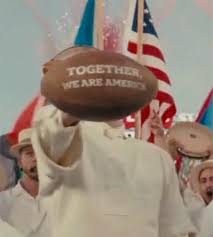
Hordes of people carrying flags of every country and territory in the Americas surrounded him. This celebration of the Americas follows a long line of Latin musicians — including Panamanian Rubén Blades, Puerto Rican Residente, and Mexican group Los Tigres del Norte, among many others — who have written songs uniting the Americas against U.S. imperial interests. After listing all of the countries, Bad Bunny held out the football he carried off and on throughout the performance to the camera to show the words “Together we are America,” and said, “Seguimos aquí” (“We’re still here.”). Bad Bunny proudly declared that America is much more than the United States, and that the United States would not be what it is without Latino and Caribbean immigrants.
The football from the beginning reappeared. Bad Bunny held it up to the camera, revealing the words inscribed on it: “Together We Are America.” He then spiked it.
As he walked off the stage, the big screen displayed a final message: “The only thing stronger than hate is love.”
What It All Meant
Every element of this performance was deliberate.
The jíbaros in the fields honored agricultural workers.
The panderos and cuatros celebrated musical heritage.
The casita recreated community.
The real wedding demonstrated love.
The power lines acknowledged ongoing colonial neglect.
The little boy receiving the Grammy offered hope for the next generation.
And the final message, “Together We Are America”, rejected the false choice between being Puerto Rican and being American. In thirteen tightly choreographed, intentionally thought out minutes, he delivered a history lesson, a political statement, a cultural celebration, and a party.
Songs incorportated into the Half Time Show.
- “Tití Me Preguntó”
- “Yo Perreo Sola” (featuring a “Voy a Llevarte Pa’ PR” outro)
- “Safaera”
- “Party”
- “EoO”
- “Monaco” (featuring a intro to “Die with a Smile”)
- “Die with a Smile” (with Lady Gaga)
- “BAILE INoLVIDABLE”
- “NUEVAYoL”
- “LO QUE LE PASÓ A HAWAii” (with Ricky Martin)
- “El Apagón”
- “CAFé CON RON”
- “DeBÍ TiRAR MáS FOToS”(DtMF)
Learn Bad Bunny Songs – Click the picture below.
If Puerto Rico were to become a state, here are some USA flag designs.