Haz clic aquí para la lección completa.
Canción: Latinoamérica por Calle 13
Calle 13’s “Latinoamérica” is a sweeping anthem of cultural pride, resilience, and identity. Opening with a radio broadcast in Quechua from Cuzco, Peru, the video unfolds as a tribute to the hardworking people, diverse landscapes, and complex histories of Latin America. While it directly addresses socio-political struggles and hardships, its overriding message is one of unyielding spirit: circumstances may not be perfect, but cultural wealth, community, and heritage are things that cannot be bought or sold. It is an exceptional resource for the Spanish classroom, blending rich linguistic input with profound cultural depth.
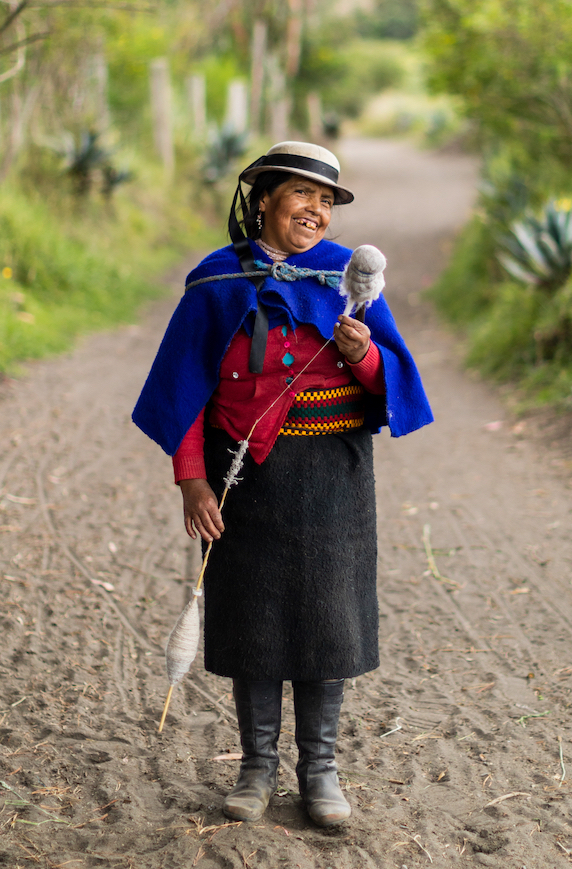
What is Quechua?
- An Indigenous Language Family: Quechua (Runasimi) is the most widely spoken Indigenous language family in the Americas, spoken by roughly 8 to 10 million people across the Andean region, including Peru, Bolivia, Ecuador, Colombia, and Argentina.
- The Language of the Inca Empire: Historically, Quechua served as the primary administrative language of the Inca Empire (Tawantinsuyu). Cuzco, Peru—where the song’s opening radio broadcast is set—was the historical capital of the Inca realm.
- Modern Resilience & Official Status: Today, Quechua is an official language alongside Spanish in Peru and Bolivia. Its inclusion at the start of “Latinoamérica” anchors the song in pre-Columbian roots and sets the stage for a message about enduring native identity that survived centuries of colonization.
- Loanwords in English & Spanish: You may be surprised to learn you already know Quechua loanwords used in both English and Spanish, such as llama, puma, condor, quinoa, guano, and jerky (ch’arki).
Comprehension & Observation Activities
- Scavenger Hunt: Jot down familiar words and new vocabulary you catch as you listen.
- Visual Portraiture: Describe the faces, expressions, clothing, and dignity of the people featured in the video.
- Landscape & Architecture: Document the variety of homes, natural environments, and geographical features shown on screen.
- Weather & Climate Log: List the meteorological elements and natural phenomena mentioned in the lyrics or visualized in the scenes.
Speaking Activities
- The Intangible Value Discussion:
- Have class conversation around the central theme of the song (“tú no puedes comprar mi vida”).
- Discuss in pairs or small groups: What are the things in your own life or culture that have no price tag?
- Poetry Slam: Write you own verses. Set up a low-stakes classroom open mic where you all read or recite your work aloud in Spanish with expression and emotion.
- Commentary Round Table: After reading the YouTube comments, have small groups debate how different viewers from across the globe react to the video’s political and emotional weight, speaking entirely in Spanish to share their perspectives.
Writing & Critical Thinking Activities
- Chorus Breakdown: Analyze the lyrics of the chorus in writing, summarizing the overarching message in your own words.
- Original Verse Composition: Write an original verse in Spanish dedicated to your own home country, family heritage, or local community, highlighting beauty and value that cannot be purchased.
- Digital Sentiment Analysis: Explore the comments section on YouTube to examine how global audiences respond to the video, noting common themes, emotions, and linguistic patterns used by commenters.
The video opens inside a local radio station in Cuzco, Peru—traditionally called Radio Inti Raymi (meaning Festival of the Sun in Quechua).
Here is the translation and structural breakdown of that opening sequence:
Spanish & Quechua Intro Text
Radio Announcer: “Muy buenos días a todos los amables oyentes en esta mañana de su radio Inti Raymi. ¿Allillanchu kashankichis, llaqtamasikuna, Cuzco llaqtaymanta? Kunantaq, musuq haylliyninchiswan, chaipim kashan wankachaykuna caru llaqtamanta, sumo takiykuna takiripawanchis, Puerto Rico llaqtamanta. Paykunapa sutinmi Calle 13, takiypas sutinmi Latinoamérica. Uyarinachis!”
Residente (Calle 13): “Qanankunapaq.”
English Translation
Radio Announcer: “A very good morning to all our listeners on this morning here on Radio Inti Raymi. Are you all doing well, my fellow brothers and sisters from the city of Cuzco? Now, with new winds, we are joined by some young brothers visiting us from far away to delight us with beautiful singing, all the way from Puerto Rico. Their name is Calle 13 and the name of the song is Latinoamérica. Let’s listen!”
Residente: “For all of you.”
Key Takeaways
- “Inti Raymi”: Named after the traditional Incan winter solstice festival honoring Inti (the Sun god).
- “Allillanchu”: The standard Quechua greeting meaning “How are you?” or “Are you well?”
- “Qanankunapaq”: The very first word spoken by lead singer Residente before singing in Spanish, which translates to “For you all”—dedicating the entire track directly to the Indigenous and working-class people of the continent.
Canción: Vivir Mi Vida por Marc Anthony
Cultural Context & Overview
“Vivir Mi Vida” is Marc Anthony’s iconic 2013 adaptation of Khaled’s French/Arabic hit “C’est la vie”. It embodies the core philosophy of Salsa music: using high-energy, rhythmic celebration as a conscious choice to overcome adversity, heartbreak, and everyday stress.
- Musical Roots: Salsa originated in New York City during the 1960s, born from a fusion of Cuban Afro-Caribbean rhythms (such as Son and Mambo) with Puerto Rican influences and American Big Band jazz.
- Cultural Philosophy: In Caribbean culture, dancing during tough times is not about ignoring pain—it is an act of emotional resilience. Marc Anthony captures this mindset by contrasting reflective, vulnerable lyrics with driving brass horns and a fast 8-beat salsa syncopation.
Key Vocabulary & Grammar Focus
| Spanish Term | English Translation | Pedagogical Focus |
| Voy a + [infinitivo] | I am going to… | Near future tense (Voy a reír, voy a bailar) |
| Gozar | To enjoy / rejoice | Expressing pleasure and celebration |
| Llorar / Reír | To cry / To laugh | Essential antonym pair |
| Las heridas | The wounds / hurt | Metaphorical emotional pain |
| Para qué… | What for…? / Why…? | Asking rhetorical questions (¿Para qué sufrir?) |
| El camino | The path / road | Expressing life trajectory |
Useful Discussion Vocabulary (Vocabulary Útil Para Discutir)
Key Action Verbs (Verbos de Acción)
These verbs cover both emotional reactions and the personal choices highlighted in the song.
| Spanish Verb | English Meaning | Classroom Context / Sentence Starter |
| Afrontar | To face / deal with | Afronto los problemas con una sonrisa. |
| Agradecer | To appreciate / give thanks | Hoy quiero agradecer por… |
| Dejar ir / Soltar | To let go / release | Voy a dejar ir mis preocupaciones. |
| Disfrutar | To enjoy | Quiero disfrutar el momento. |
| Estar estresado/a | To be stressed | A veces estoy estresado/a por la escuela. |
| Superar | To overcome / move past | Podemos superar los momentos difíciles. |
| Superar / Vencer | To defeat / overcome | A veces una gota puede vencer la sequía. |
| Soportar | To endure / withstand | ¿Cómo soportas la presión? |
| Transformar | To transform / change | El ritmo transforma mi estado de ánimo. |
| Valorar | To value / cherish | Hay que valorar lo que tenemos. |
Emotions & Moods (Emociones y Estados de Ánimo)
Use these terms when discussing how the music feels or how students feel while listening.
| Spanish Term | English Equivalent | Nuance / Focus |
| Agradecido/a | Grateful | Focus on appreciation |
| Alegre / Optimista | Joyful / Optimistic | High energy, positive outlook |
| Animado/a | Lively / Upbeat | Physical desire to move or dance |
| Conmovido/a | Moved / Touched | Deep emotional reaction |
| Esperanzado/a | Hopeful | Looking forward to better days |
| Inspirado/a | Inspired | Feeling motivated to act |
| Melancólico/a | Melancholy / Wistful | Bittersweet mixture of sadness and reflection |
| Pleno/a | Fulfilled / Complete | Peace with oneself |
| Radiante | Radiant / Glowing | Unfiltered excitement |
| Tranquilo/a / En paz | Calm / At peace | Low anxiety, grounded state |
Worries & Frustrations (Preocupaciones y Frustraciones)
Vocabulary to name obstacles before letting them go—mirroring the line “a veces llega la lluvia para limpiar las heridas”.
| Spanish Term | English Equivalent | Category |
| El agobio | Overwhelm / Burden | Frustration |
| La ansiedad | Anxiety | Emotion / Mood |
| El cansancio | Exhaustion / Tiredness | Physical / Mental State |
| La duda | Doubt / Uncertainty | Mental Obstacle |
| El estrés escolar | School stress / Academic pressure | Daily Routine |
| El fracaso | Failure / Setback | Frustration |
| La incertidumbre | Uncertainty about the future | Worry |
| La presión social | Peer pressure | Daily Routine |
| La tristeza / La pena | Sadness / Sorrow | Emotion / Mood (Si duele una pena, se olvida) |
| La herida (emocional) | Emotional wound / Hurt | Metaphorical obstacle |
Useful Discussion Frames (Estructuras para el Debate)
Provide these sentence starters on the board so students can express complex thoughts using the vocabulary above:
- Talking about emotional shifts:
- “Al principio la canción me hace sentir [emoción], pero cuando empieza el coro siento [emoción].”
- (At first the song makes me feel [emotion], but when the chorus starts I feel [emotion].)
- Talking about letting go:
- “Hoy decido dejar ir [preocupación/frustración] porque prefiero [booster verb].”
- (Today I choose to let go of [worry/frustration] because I prefer to [verb].)
- Talking about resilience:
- “Para mí, reír en tiempos difíciles significa [explicación].”
- (For me, laughing during hard times means [explanation].)
Classroom Discussion & Discussion Prompts / Preguntas para la Discusión en Clase
Part 1: Meaning & Emotions (Parte 1: Significado y Sentimientos)
- What emotions does the opening brass hook evoke before any words are sung?
- ¿Qué emociones evoca el gancho inicial de los instrumentos de viento de metal antes de que se cante alguna palabra?
- How does Marc Anthony use his voice to transition from sadness (“a veces llega la lluvia”) to joy (“voy a reír, voy a bailar”)?
- ¿Cómo usa Marc Anthony su voz para pasar de la tristeza («a veces llega la lluvia») a la alegría («voy a reír, voy a bailar»)?
- Does this song make you want to dance or smile? How does physical movement change your mood?
- ¿Esta canción te da ganas de bailar o de sonreír? ¿Cómo cambia tu estado de ánimo el movimiento físico?
Part 2: Life & Choices (Parte 2: La Vida y Las Decisiones)
- What everyday worries or frustrations can you choose to let go of today (dejar ir)?
- ¿De qué preocupaciones o frustraciones cotidianas puedes decidir liberarte hoy (dejar ir)?
- What does it mean in Caribbean culture to “laugh and dance through hard times” rather than waiting for problems to disappear?
- ¿Qué significa en la cultura caribeña «reír y bailar en los momentos difíciles» en lugar de esperar a que los problemas desaparezcan?
- Express your plan for today using the phrase “Hoy yo voy a…” (e.g., Hoy yo voy a sonreír, Hoy yo voy a descansar).
- Expresa tu plan para el día de hoy usando la frase «Hoy yo voy a…» (por ejemplo: Hoy yo voy a sonreír, Hoy yo voy a descansar).
Part 3: Music & Rhythm (Parte 3: Música y Estilo)
- Listen to the drum instruments (timbales, congas, and bongos). How do they keep the heart-beat tempo of the track?
- Escucha la percusión (timbales, congas y bongós). ¿Cómo mantienen el ritmo similar al latido del corazón en la canción?
- Why is a fast salsa beat better suited for delivering a message about hope than a slow ballad?
- ¿Por qué un ritmo rápido de salsa es más adecuado para transmitir un mensaje de esperanza que una balada lenta?
- How does the repetition of the chorus reinforce the song’s core message?
- ¿Cómo refuerza la repetición del coro el mensaje principal de la canción?
Student Activities / Actividades para Estudiantes
- “Mi Declaración” Writing Prompt: Have students write 3–5 sentences in Spanish using “Voy a…” outlining how they will choose to live their day positively despite any current stress.
- Consigna de escritura «Mi Declaración»: Pida a los estudiantes que escriban de 3 a 5 oraciones en español usando «Voy a…», explicando cómo elegirán vivir su día de manera positiva a pesar del estrés actual.
- Instruments & Rhythm ID: Have students clap along to the Clave rhythm (the 3-2 or 2-3 heartbeat rhythm of salsa) while listening to the track.
- Identificación de instrumentos y ritmo: Pida a los estudiantes que aplaudan siguiendo el ritmo de la clave (el ritmo base de la salsa en 3-2 o 2-3) mientras escuchan la canción.
- Comparative Analysis: Compare the uplifting message of “Vivir Mi Vida” with Calle 13’s “Latinoamérica” to discuss how different musical genres (Salsa vs. Alternative Hip-Hop) express pride, identity, and resilience.
- Análisis comparativo: Compare el mensaje inspirador de «Vivir mi vida» con «Latinoamérica» de Calle 13 para debatir cómo diferentes géneros musicales (salsa vs. hip-hop alternativo) expresan el orgullo, la identidad y la resiliencia.